
What to Expect During Treatment
body's innate healing mechanisms
The Future of Healing
Regenerative medicine leverages the body's innate healing mechanisms to repair and regenerate damaged tissues, offering innovative treatments across various medical specialties, including neurology, orthopedics, and gynecology. Here's what patients can generally expect during such treatments:
Consultation and Assessment
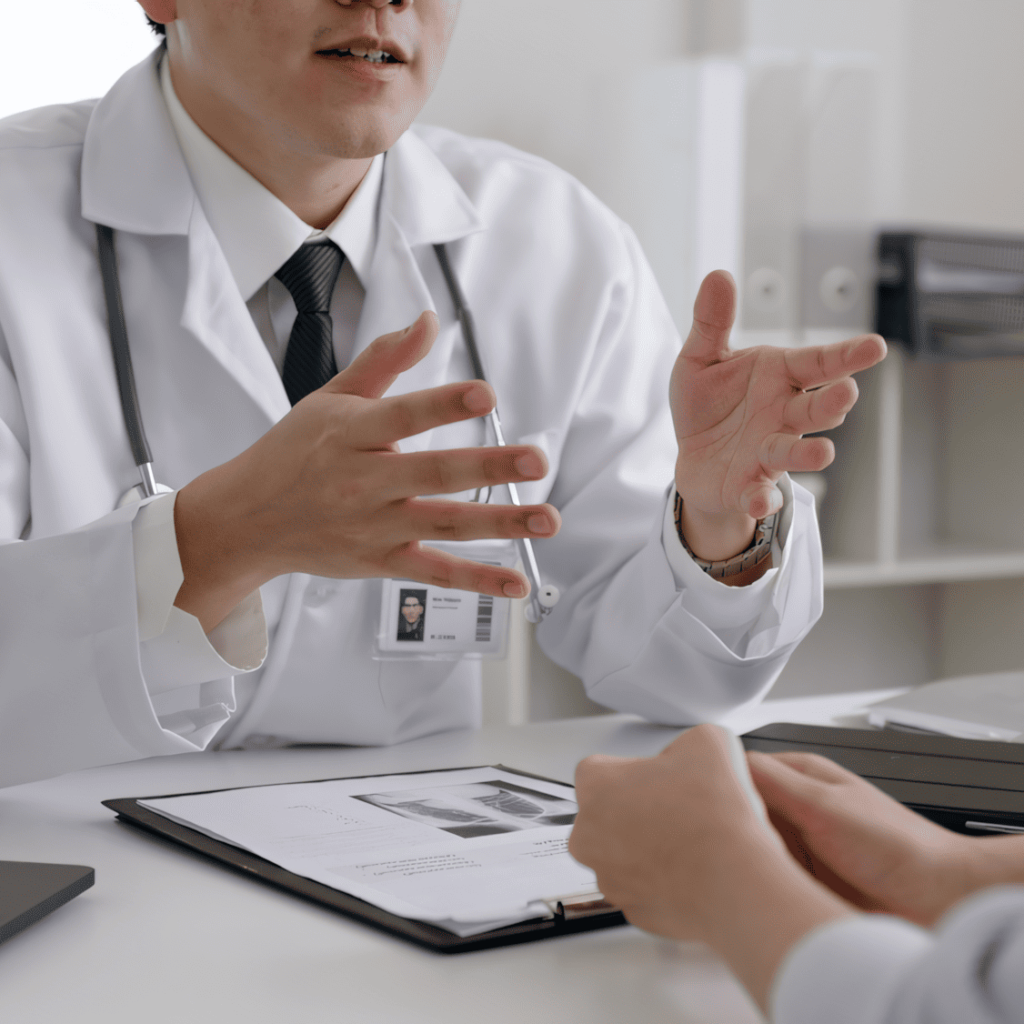
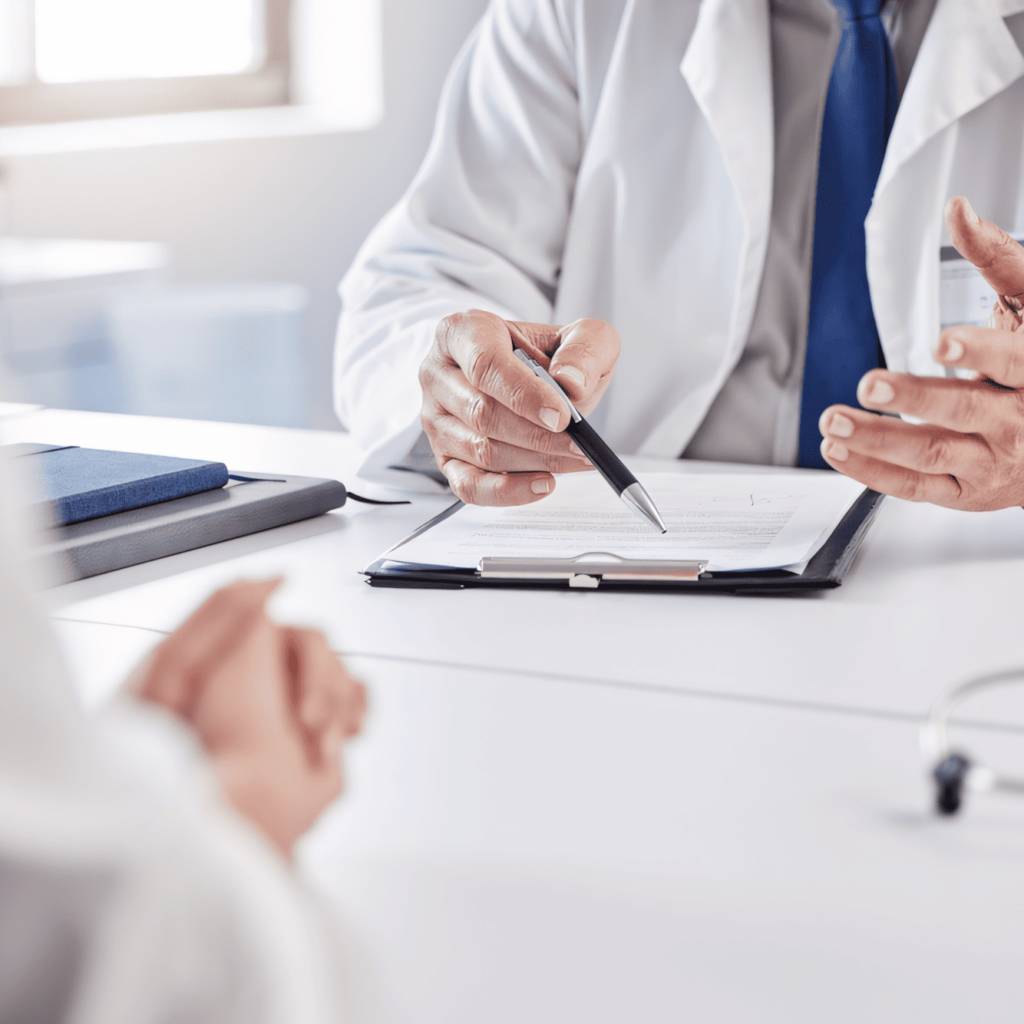
The process begins with a comprehensive consultation where the physician evaluates the patient's medical history, current health status, and specific condition.
Diagnostic tests, such as imaging studies or laboratory analyses, may be conducted to determine the extent of tissue damage and to tailor the most appropriate regenerative treatment plan.
Treatment Planning
Based on the assessment, a personalized treatment strategy is developed. This plan considers the
patient's unique needs and may involve one or more regenerative therapies, such as:
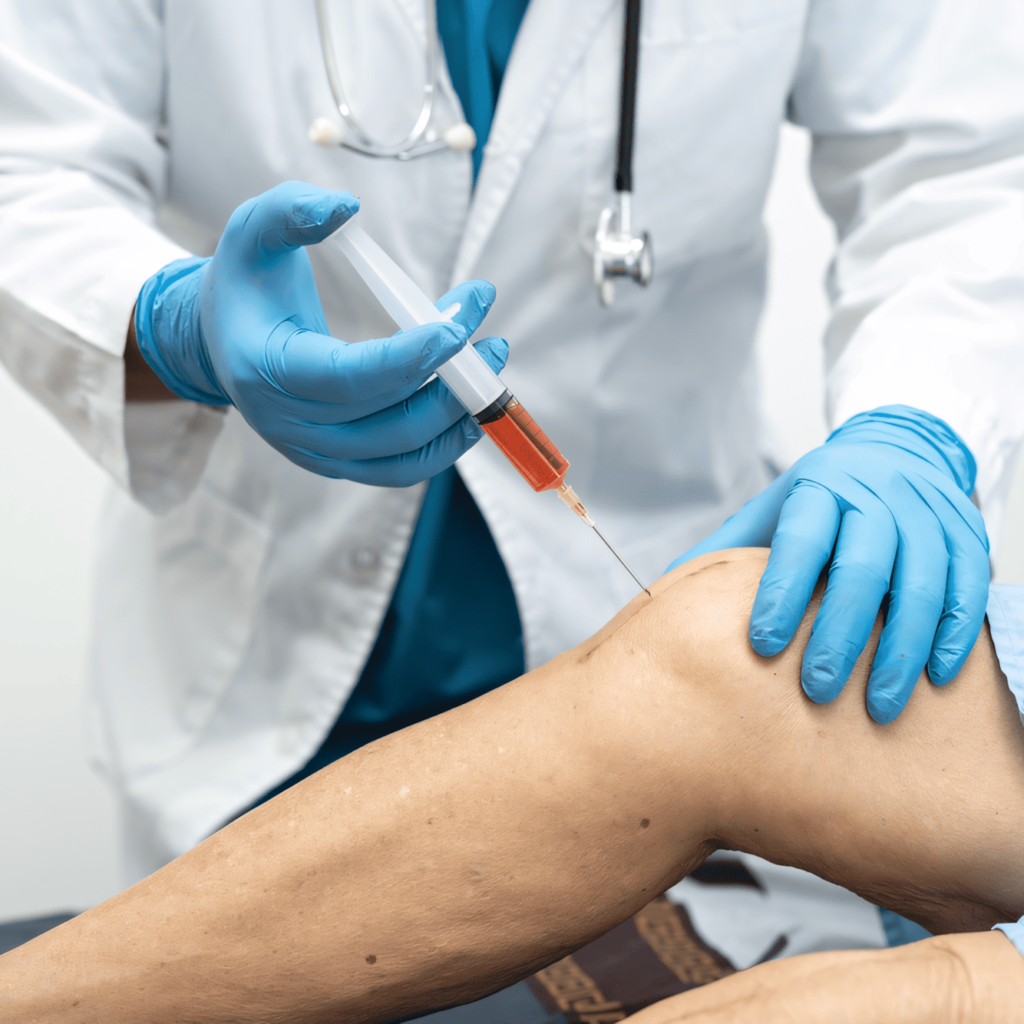
• Platelet-Rich Plasma (PRP) Therapy: This involves extracting a small amount of the patient's blood, processing it to concentrate the platelets, and then injecting the PRP into the affected area to promote healing.
• Stem Cell Therapy: Utilizing stem cells harvested from the patient's own body (commonly
from bone marrow or adipose tissue), these cells are injected into the damaged tissue to facilitate regeneration.
• Prolotherapy: A natural irritant solution is injected into injured ligaments, tendons, or joints to stimulate the body's healing response.
Procedure
Most regenerative treatments are minimally invasive and performed on an outpatient basis:
• Preparation: The targeted area is cleansed, and local anesthesia may be administered to ensure comfort.
• Injection: Using imaging guidance (such as ultrasound) for precision, the regenerative agent (PRP, stem cells, etc.) is injected into the affected tissue.
• Duration: The entire procedure typically lasts between 30 minutes to an hour, depending on the treatment type and area addressed.
Post-Treatment Care
After the procedure, patients can expect:
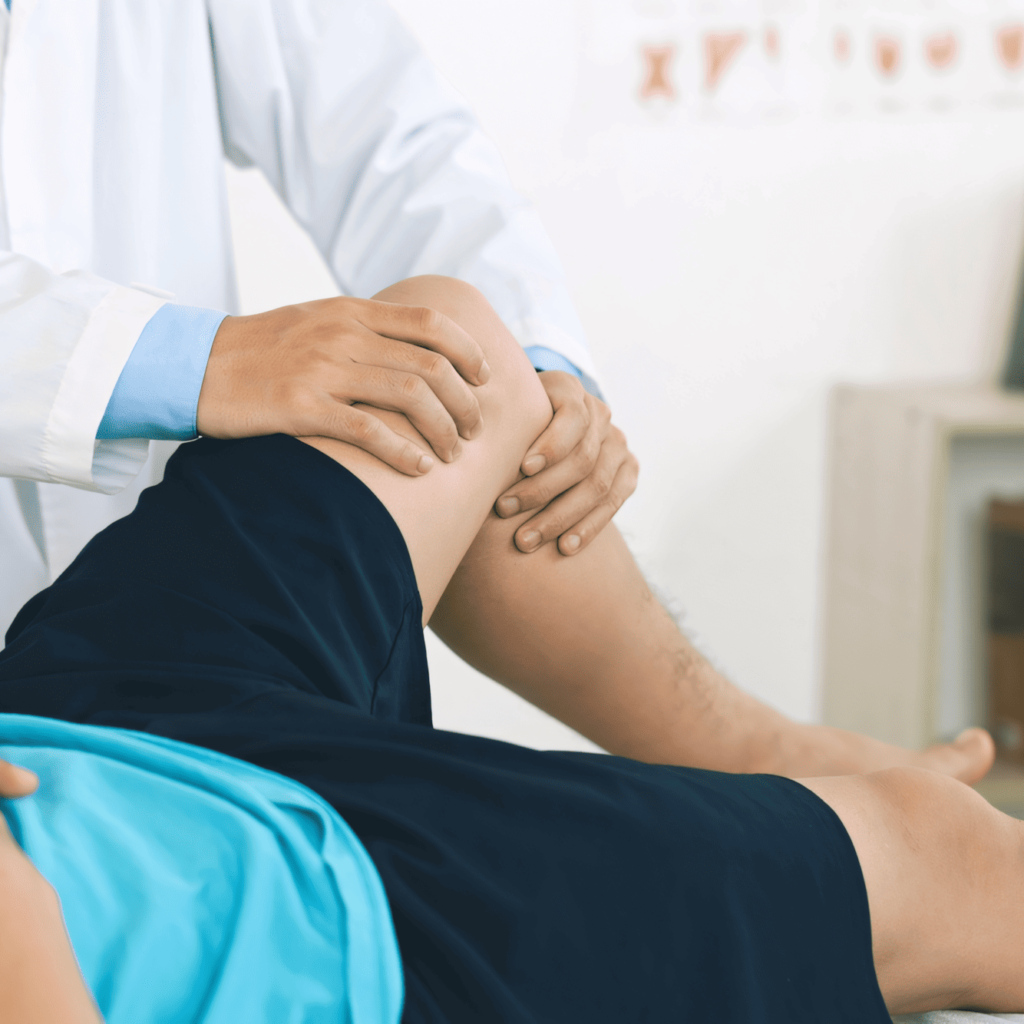
• Mild Discomfort: Some soreness or swelling at the injection site is normal and usually subsides within a few days.
• Activity Modification: Patients are generally advised to avoid strenuous activities for a short
period to allow optimal healing.
• Rehabilitation: A tailored physical therapy program may be recommended to enhance
recovery and restore function.
Outcomes
The benefits of regenerative medicine can vary based on the individual and the condition treated:
• Pain Reduction: Many patients experience a decrease in pain levels as the healing process
progresses.
• Improved Function: Enhanced mobility and function of the affected area are common as
tissues regenerate.
• Avoidance of Surgery: For some, regenerative treatments can eliminate the need for more
invasive surgical interventions.

Considerations
While regenerative medicine holds promise, it's essential to have realistic expectations:
• Variable Response: Not all patients respond similarly; factors like overall health, severity of the condition, and adherence to post-treatment recommendations play roles in outcomes.
• Multiple Sessions: Some conditions may require more than one treatment session to achieve desired results.
Patients are encouraged to discuss potential risks, benefits, and alternative treatment options with their healthcare provider to make informed decisions about their care.
By understanding the regenerative medicine treatment process, patients can approach their healing journey with confidence and clarity